Step One
Start With What You Have
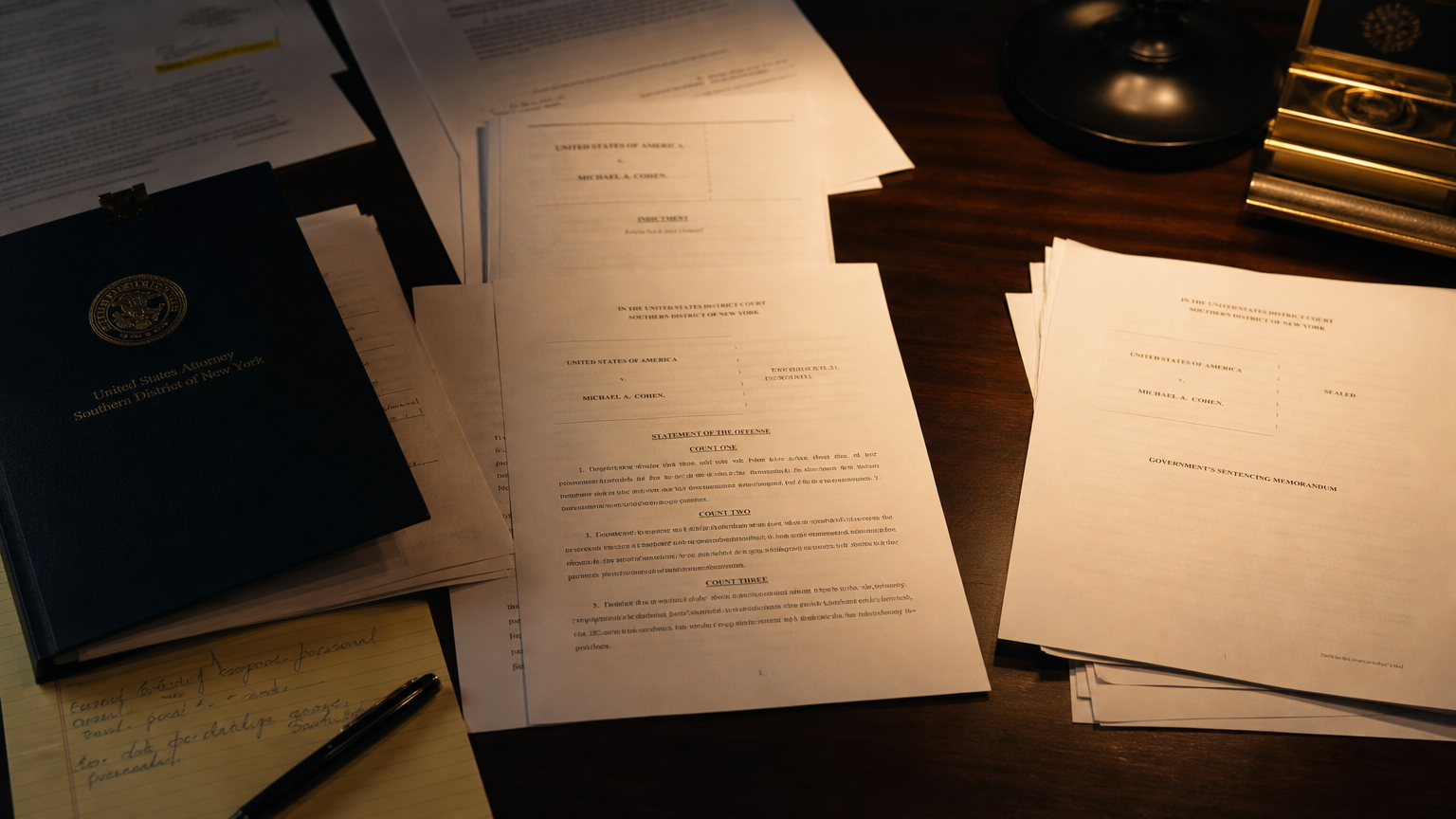
No document is too incomplete. Brief works with whatever you have — and pulls public records to fill in what you don't. Upload any combination of the following:
Police Report
The narrative account. The foundation of the prosecution's case and the first place to look for inconsistencies.
Arrest Report
Booking information, charges filed at arrest, officer identification for cross-examination preparation.
Charges Filed
The formal charging document. Brief analyzes every element the prosecution must prove on each charge.
Discovery Materials
Evidence lists, witness statements, lab reports, body cam footage transcripts — everything the prosecution has provided.
Prior Case History
If relevant, your prior record or related cases Brief should factor into the plea outcome analysis.
Case Number
If you have a case number, Brief pulls public court records directly — even if you don't have copies of the filings yet.
What Brief Delivers
Six Capabilities Your Public Defender Doesn't Have Time to Run
Each capability is specific to your case, your charges, your judge, and your jurisdiction. Not a general legal explainer. Your actual situation.
Capability 01
Charge Analysis
Every element the prosecution must prove to convict on each charge — explained in plain language. You cannot defend against a charge you don't understand. Brief tells you exactly what the prosecution has to establish, where the burden lies, and where the elements of your charges are legally weakest given your specific facts.
Capability 02
Judge Intelligence
Ruling patterns on suppression motions, reversal history on appeal, how your judge has handled similar cases, what they have said publicly about the issues in your case. Built from PACER records, state court public records, FOIA responses, news archives, and appeals data. The judge profile that most defendants never see before they walk into that courtroom.
Capability 03
Comparable Plea Outcomes
What other defendants charged with your specific charges in your specific jurisdiction actually received. Sentences, diversions, dismissals, plea reductions. The offer on the table compared to what others with similar facts have negotiated. Most defendants accept a plea without ever seeing this data. Brief shows you the range before you sign anything.
Capability 04
Motion Research
Suppression motion analysis — does the stop, search, or arrest contain a constitutional vulnerability under the Fourth Amendment? Motion to dismiss grounds. Applicable precedent in your jurisdiction. Brief identifies the motions that have a realistic chance of succeeding based on your specific facts, not a generic checklist of what motions exist.
Capability 05
Cross-Examination Prep
Question frameworks for the arresting officer, key witnesses, and any expert witnesses the prosecution may call. Built from your police report, discovery materials, and the witness's prior testimony patterns where available. The questions that expose inconsistencies, challenge credibility, and build the record you need.
Capability 06
Plea Evaluation
Plain-language analysis of what the offer actually means — collateral consequences, mandatory minimums, expungement eligibility — versus what trial exposure looks like given your charges and facts. Not a recommendation. An informed picture of both paths so you can make the decision with complete information, not the incomplete picture most defendants have when they sign.
Pricing Model
Pay For Your Case. Not a Subscription.
Criminal cases don't run on a monthly schedule. Your defense preparation shouldn't either. Brief uses an access fee plus token credit model — you pay for your case, not indefinite access to a tool you don't need between cases.
Access Fee
Covers case setup, document ingestion, judge profile pull, and initial charge analysis. One fee per case. Not per month, not per year — per case.
Token Credits
Consumed per research request — deeper analysis, more documents, more questions. Tokens don't expire. Buy more if you need them. No monthly bill when your case is resolved.
The incentive alignment argument applies to pricing too: a subscription model incentivizes keeping you subscribed. A case-based model aligns with helping you resolve your case. See full pricing details →
Who Brief Is For
You have a plea offer on the table and you don't know if it's fair.
Brief pulls comparable outcomes in your jurisdiction — what other defendants with your charges, in front of your judge, actually received. You'll know if the offer is reasonable, low-ball, or generous before you make a decision that follows you for years. Most defendants take the first offer because they have no reference point. Brief gives you one.
You just got charged and your public defender has 300 other cases.
Brief gives you what your public defender doesn't have time to find: a full analysis of what the prosecution must prove, where the case has constitutional vulnerabilities, what motions might be available, and what your actual exposure looks like at trial versus a negotiated outcome. Showing up informed changes what gets offered to you.
You're representing yourself and need to prepare for every scenario.
From arraignment through trial if it comes to that, Brief builds the foundation. If the case resolves at the plea stage — and thorough preparation often makes that happen — you never needed Stand. Brief is designed to win as early in the process as possible. If the case still goes to a hearing, Stand picks up where Brief leaves off.
Important Limitations
What Brief Is Not
Brief is not legal advice. It does not create an attorney-client relationship. It is not a replacement for a licensed attorney in complex felony cases requiring deep courtroom expertise. All citations and legal research should be independently verified before reliance. Brief is a research and preparation tool for pro se defendants exercising their constitutional right to self-representation under Faretta v. California (1975). Read our full disclaimer →
Questions About Brief
Frequently Asked Questions
Early Access
Join the Waitlist for Brief
Brief launches in Texas first. Join the waitlist for early access pricing, launch notification, and the chance to tell us which court to prioritize in the judge database. Also consider Stand for real-time courtroom coaching.
Join the WaitlistNot legal advice. Not an attorney-client relationship. A research and preparation tool for pro se defendants. Verify all citations before reliance.